Celebrate the impact of three remarkable women paving the way for future generations.
WATCH NOW >ShowcaseThis Is Utah | Making a Mark 
The Hinckley Report | The Art and Science of CampaigningFriday at 7PM | Our panel takes a deep dive into the world of campaigns, messaging, and strategy.
WATCH HERE > 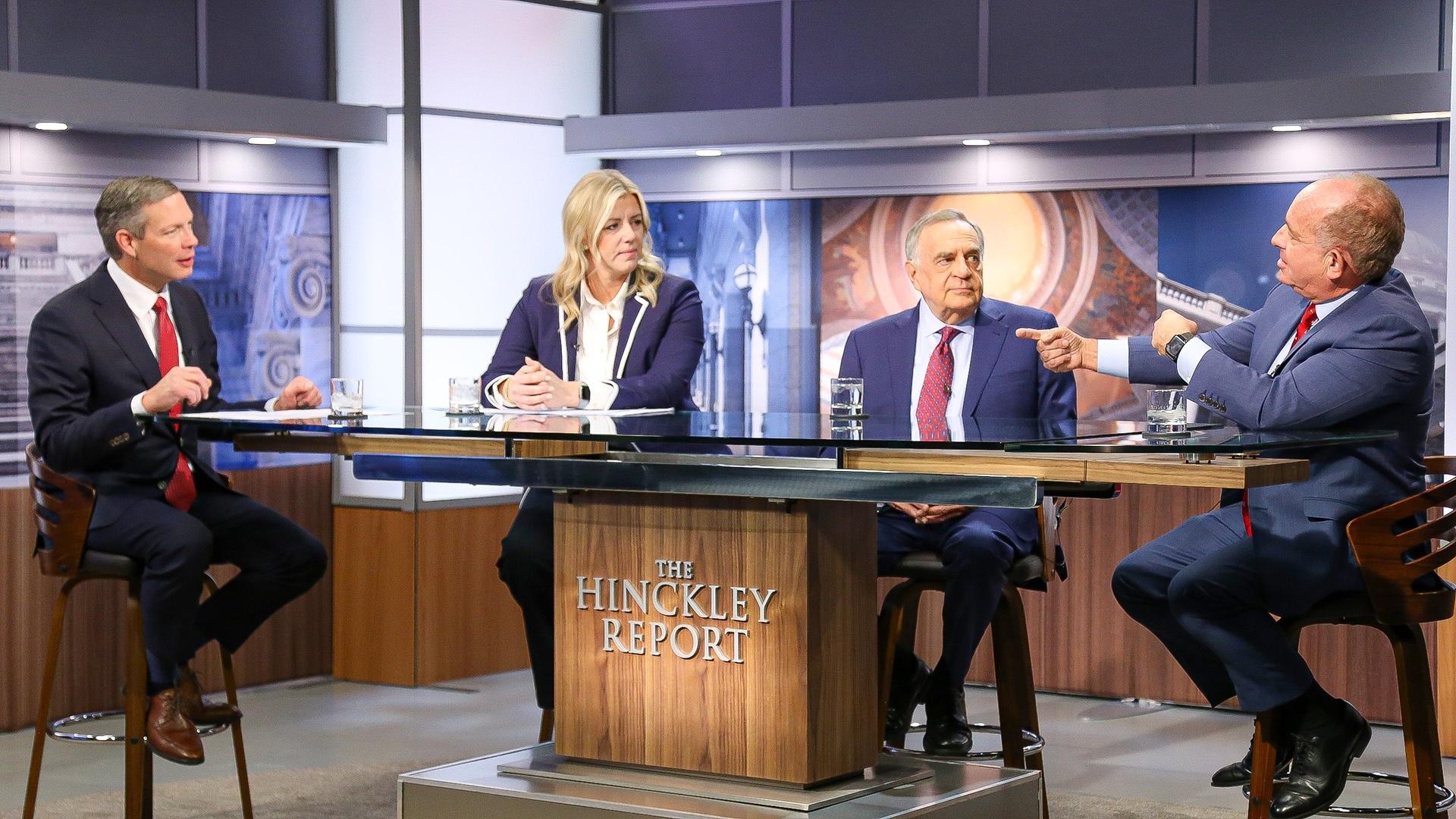
Great Performances | HamletFriday at 8PM | Experience this Shakespearean classic directed by Tony Award winner Kenny Leon.
WATCH PREVIEW > 
America ReFramed | In Search of Bengali HarlemSaturday at 8PM on WORLD | A Harlem playwright unearths the extraordinary pasts of his Bangladeshi immigrant parents.
WATCH PREVIEW > 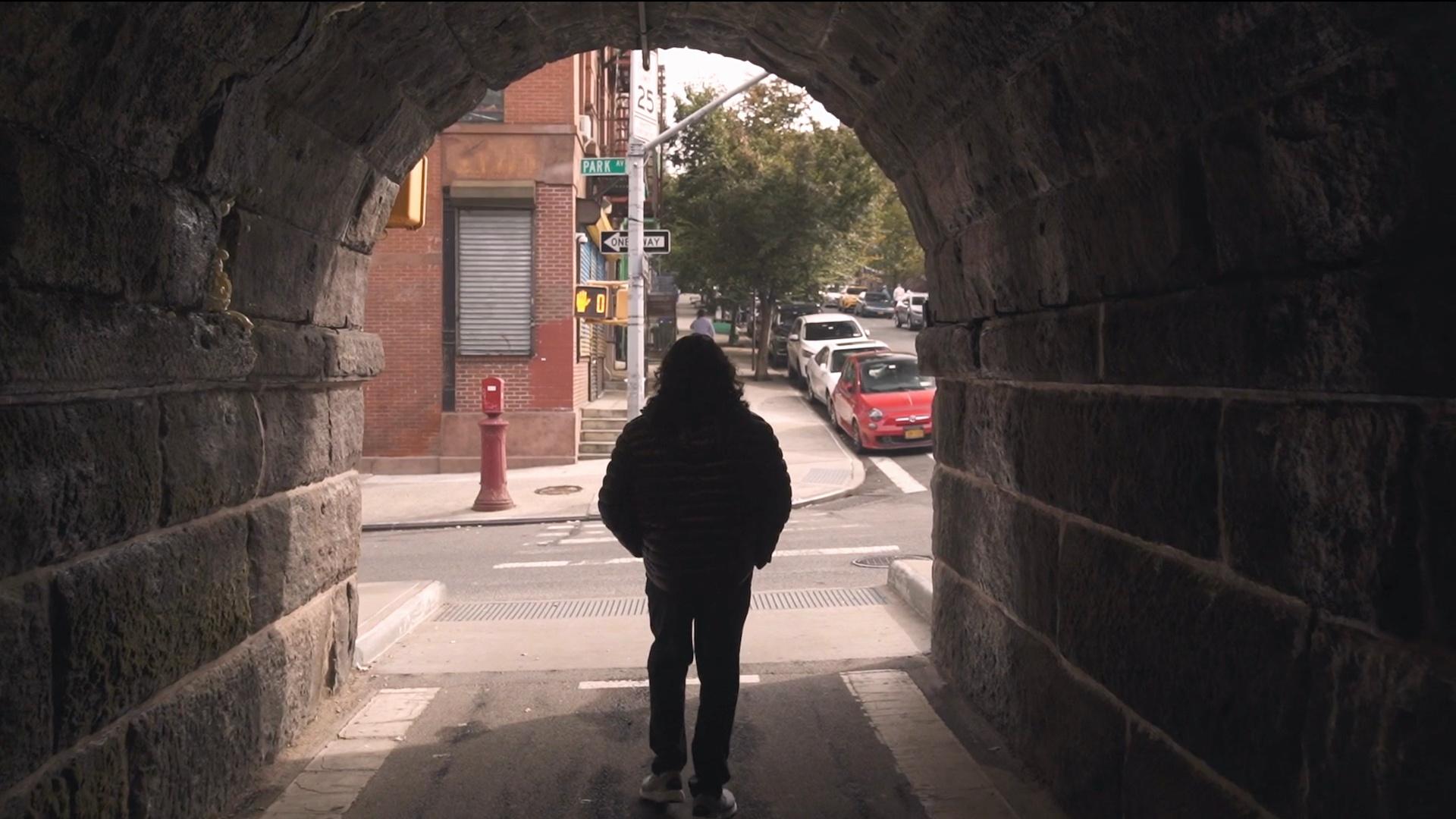
Frankie Drake Mysteries | Prince in ExileSaturday at 7PM | The team has to be discreet as they investigate the kidnapping of a playboy prince.
WATCH NOW WITH PASSPORT > 
MaryLand | Episode 2Sunday at 8PM | As new revelations emerge, the sisters deal with the fallout from their mother’s death.
WATCH PREVIEW > 
Guilt on Masterpiece | Aim High, Episode 2Sunday at 9PM | Max and Jake seek refuge with a face from the past in the Highlands, but Teddy is on their trail.
WATCH PREVIEW > 
Friday at 7PM | Our panel takes a deep dive into the world of campaigns, messaging, and strategy.
WATCH HERE >Friday at 8PM | Experience this Shakespearean classic directed by Tony Award winner Kenny Leon.
WATCH PREVIEW >Saturday at 8PM on WORLD | A Harlem playwright unearths the extraordinary pasts of his Bangladeshi immigrant parents.
WATCH PREVIEW >Saturday at 7PM | The team has to be discreet as they investigate the kidnapping of a playboy prince.
WATCH NOW WITH PASSPORT >Sunday at 8PM | As new revelations emerge, the sisters deal with the fallout from their mother’s death.
WATCH PREVIEW >Sunday at 9PM | Max and Jake seek refuge with a face from the past in the Highlands, but Teddy is on their trail.
WATCH PREVIEW >



STREAM PBS UTAH SHOWS & SERIES





.png)









Support your local PBS station in our mission to inspire, enrich, and educate.
Donate