Friday at 7PM | How the June primary is shaping up, plus the staggering cost of some campaigns.
READ MORE & SUBSCRIBE TO PODCAST >ShowcaseThe Hinckley Report | County Conventions & Campaign Costs 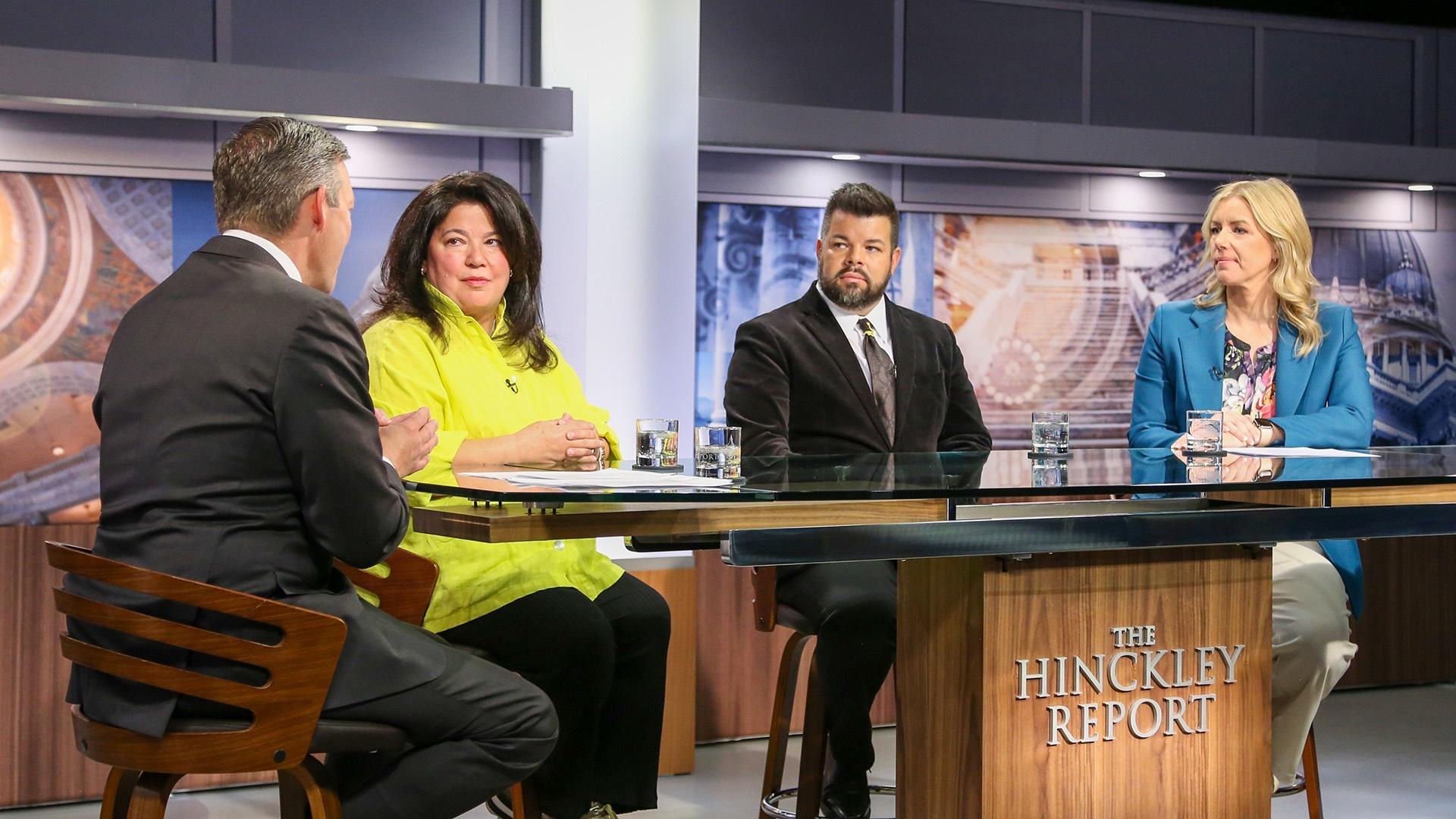
Great Performances | Now Hear This: VirtuososFriday at 8PM | Explore the work of two legendary virtuosos, Niccolò Paganini and Robert Johnson.
WATCH PREVIEW > 
Next at The Kennedy Center | Joshua RedmanFriday at 9PM | Renowned jazz saxophonist Joshua Redman performs songs from his new album, where are we.
WATCH PREVIEW > 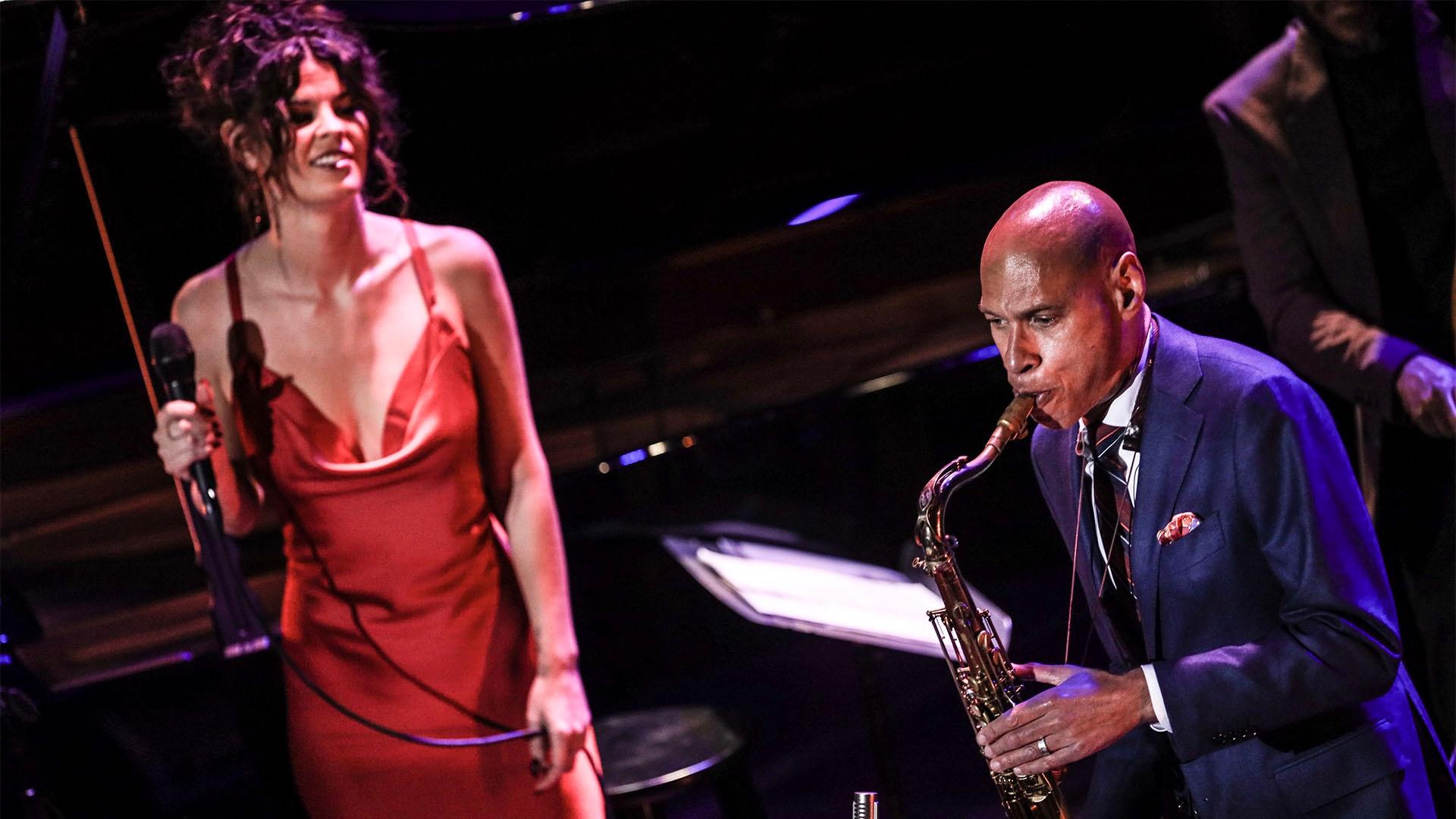
Royal Flying Doctor Service | Episode 4Saturday at 8PM | Word that Eliza will lead the review into the White Cliffs incident sends Pete reeling.
WATCH EARLY WITH PASSPORT > 
Call the Midwife | Episode 6Sunday at 7PM | The pupil midwives prepare for their final exams; two young brothers are found abandoned.
WATCH PREVIEW > 
Utah Governor's Artist Mansion Awards 2024Livestream on May 1 at 8PM | Celebrate live as two Utah artists are awarded the Governor’s Mansion Artist Awards.
WATCH PREVIEW > 
This is Utah | Season 5 Premieres May 2!Celebrate the environments that make Utah a distinctive and delightful place to explore.
WATCH PREVIEW > 
Friday at 8PM | Explore the work of two legendary virtuosos, Niccolò Paganini and Robert Johnson.
WATCH PREVIEW >Friday at 9PM | Renowned jazz saxophonist Joshua Redman performs songs from his new album, where are we.
WATCH PREVIEW >Saturday at 8PM | Word that Eliza will lead the review into the White Cliffs incident sends Pete reeling.
WATCH EARLY WITH PASSPORT >Sunday at 7PM | The pupil midwives prepare for their final exams; two young brothers are found abandoned.
WATCH PREVIEW >Livestream on May 1 at 8PM | Celebrate live as two Utah artists are awarded the Governor’s Mansion Artist Awards.
WATCH PREVIEW >Celebrate the environments that make Utah a distinctive and delightful place to explore.
WATCH PREVIEW >



STREAM PBS UTAH SHOWS & SERIES






.png)












Support your local PBS station in our mission to inspire, enrich, and educate.
Donate