Saturday at 7PM on WORLD | An American-born generation straddles their country of birth and their parents’ homelands.
WATCH NOW WITH PASSPORT >ShowcaseAsian Americans | A Question of Loyalty 
Call the Midwife | Episode 8Sunday at 7PM | Miss Higgins receives an unexpected visitor, and Poplar votes for its Mother of the Year.
WATCH PREVIEW > 
The Hinckley Report | Convention Results & Summer PreviewPrimary match-ups are finalized following state political party conventions.
WATCH NOW > 
This Is Utah | Sanctuary (S5E1)Now Streaming on all Platforms | Discover a connection between people, animals, and sanctuary in three compelling stories.
WATCH NOW > 
MaryLand on Masterpiece | Episode 1Begins Sunday at 8PM | Watch out for the new three-part series MaryLand, starring Suranne Jones and Eve Best.
WATCH PREVIEW > 
Mysteries of Mental Illness | New FrontiersSunday at 9PM on WORLD | Today, with cutting-edge treatments for mental illness, the biggest battle is inclusion.
WATCH NOW > 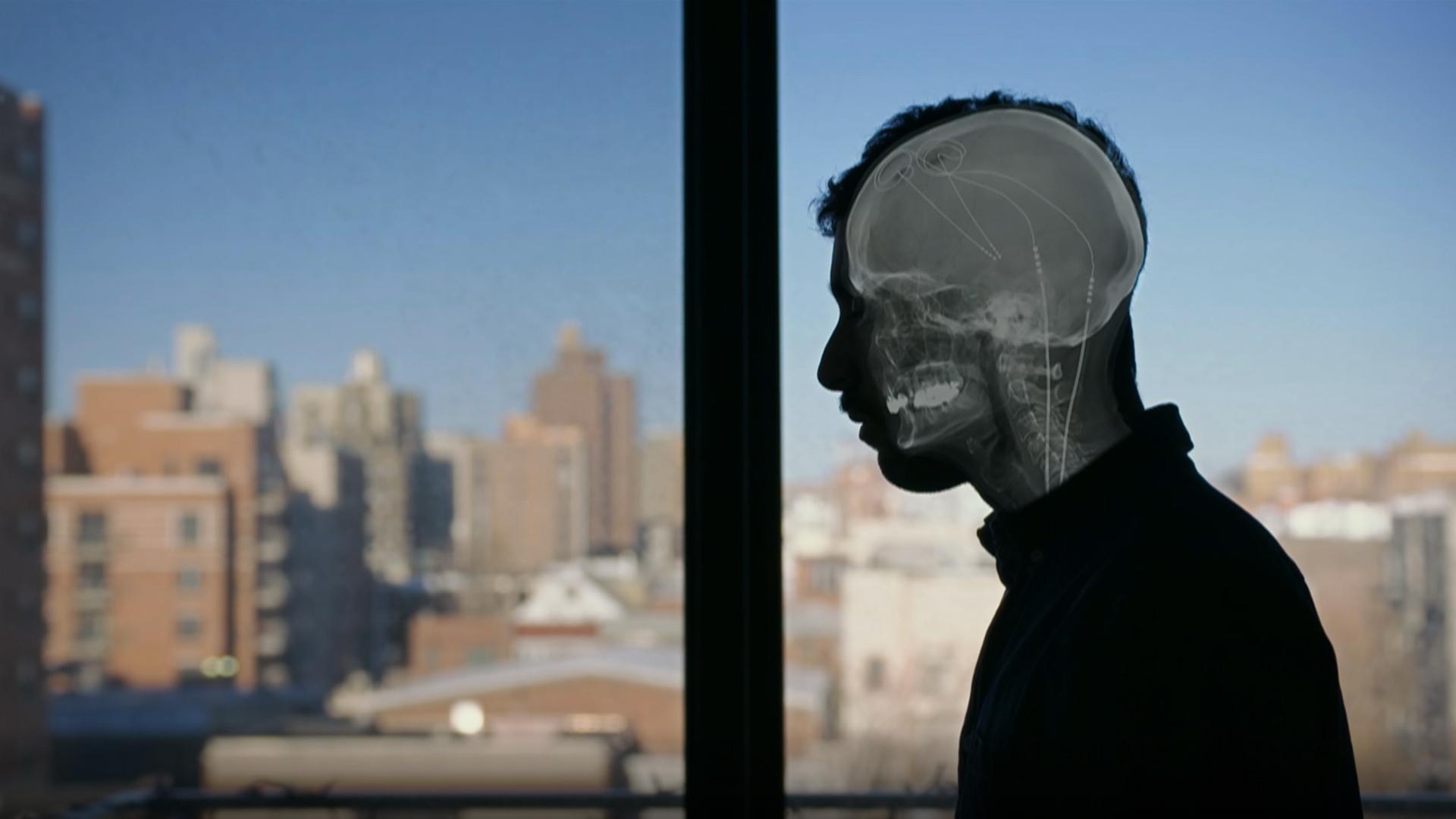
Sunday at 7PM | Miss Higgins receives an unexpected visitor, and Poplar votes for its Mother of the Year.
WATCH PREVIEW >Primary match-ups are finalized following state political party conventions.
WATCH NOW >Now Streaming on all Platforms | Discover a connection between people, animals, and sanctuary in three compelling stories.
WATCH NOW >Begins Sunday at 8PM | Watch out for the new three-part series MaryLand, starring Suranne Jones and Eve Best.
WATCH PREVIEW >Sunday at 9PM on WORLD | Today, with cutting-edge treatments for mental illness, the biggest battle is inclusion.
WATCH NOW >



STREAM PBS UTAH SHOWS & SERIES






.png)













Support your local PBS station in our mission to inspire, enrich, and educate.
Donate
