Wednesday at 8PM | How do the stories we tell shape the boundaries of our beliefs about what is possible?
WATCH NOW >ShowcaseA Brief History of the Future | Once Upon a Time 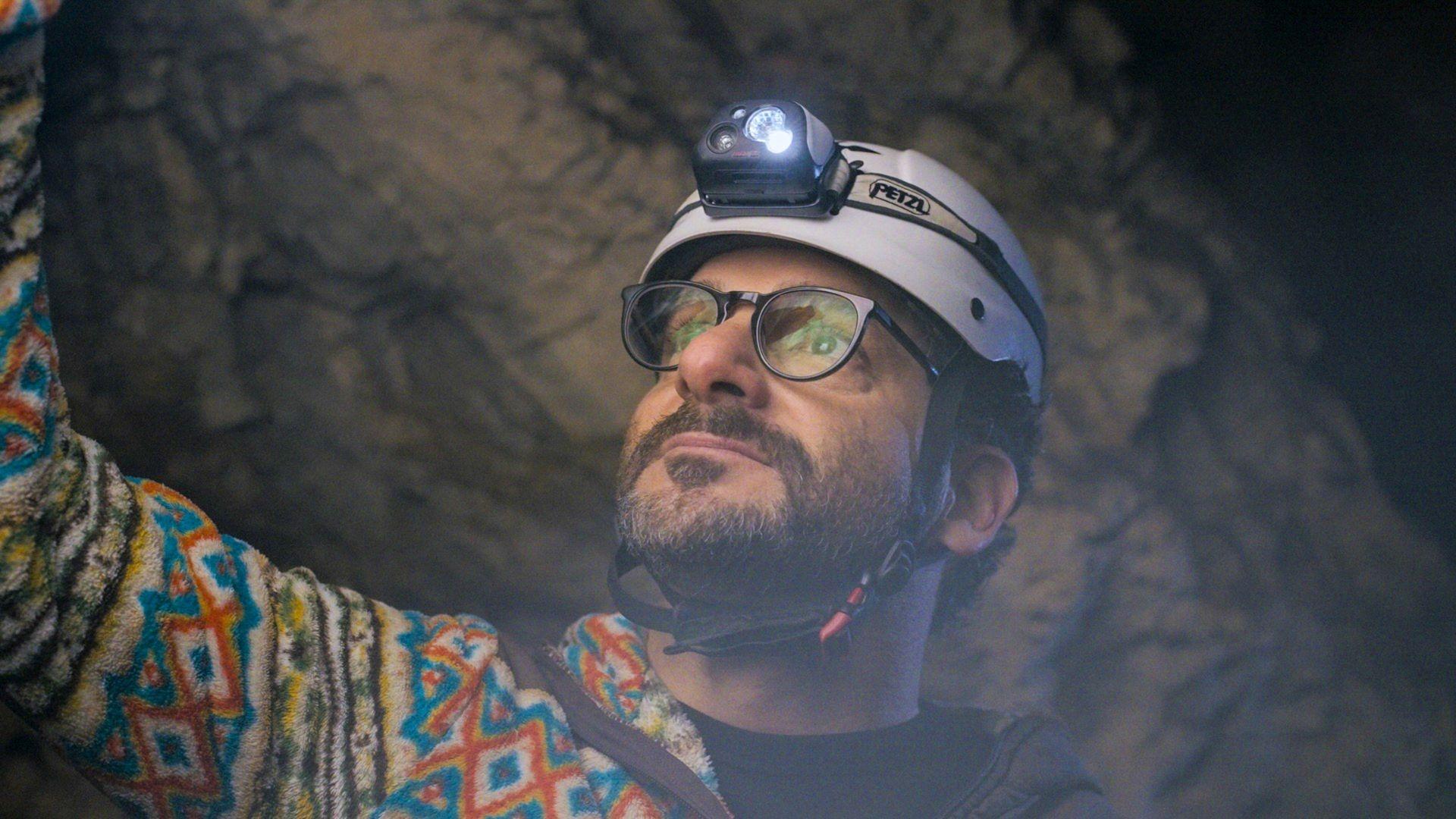
NOVA | Making North America: OriginsWednesday at 9PM | Experience the colossal geologic forces that shaped our continent over 3 billion years.
WATCH NOW > 
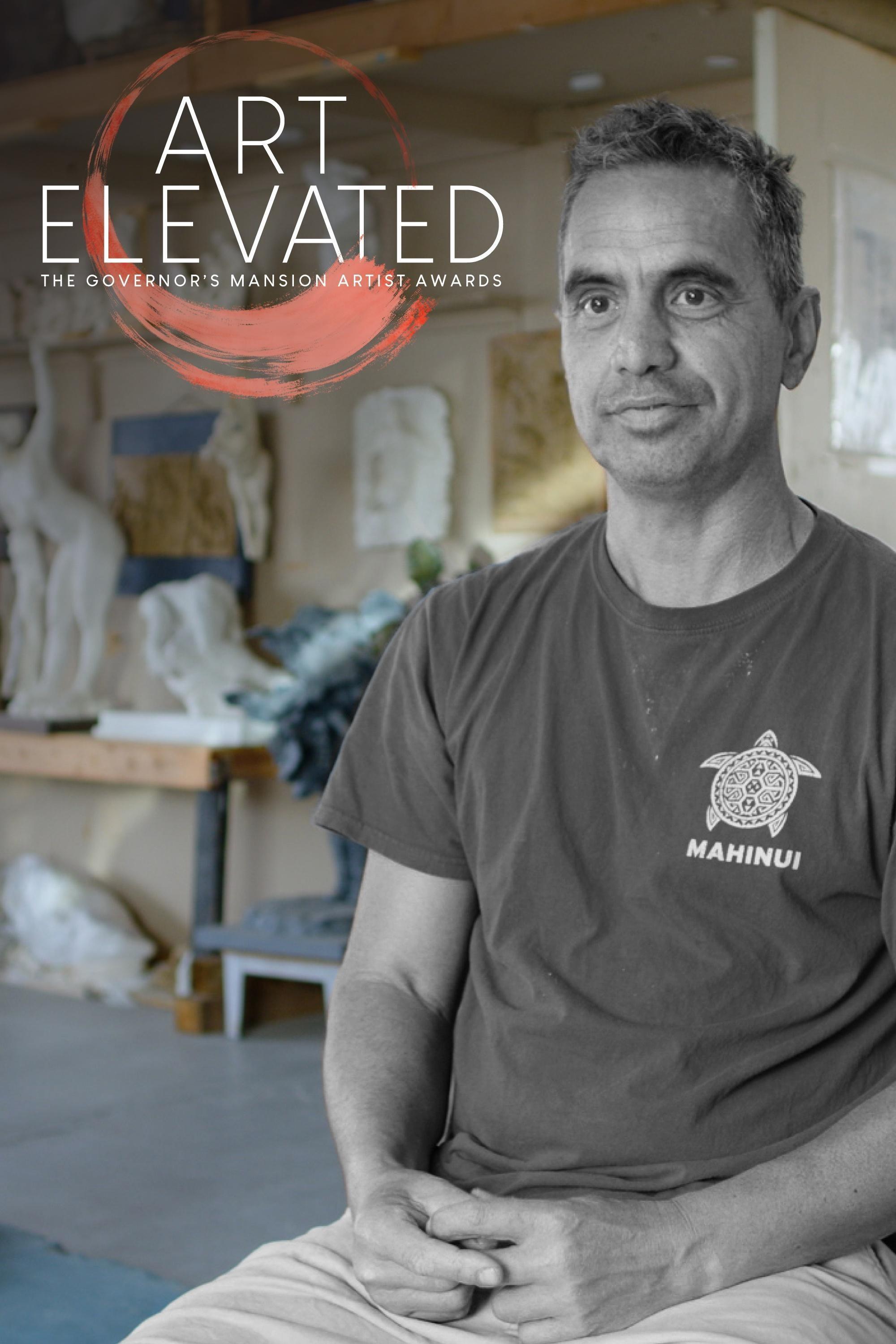
Utah Governor's Artist Mansion Awards 2024Livestream on May 1 at 8PM | Celebrate live as two Utah artists are awarded the Governor’s Mansion Artist Awards.
WATCH PREVIEW > 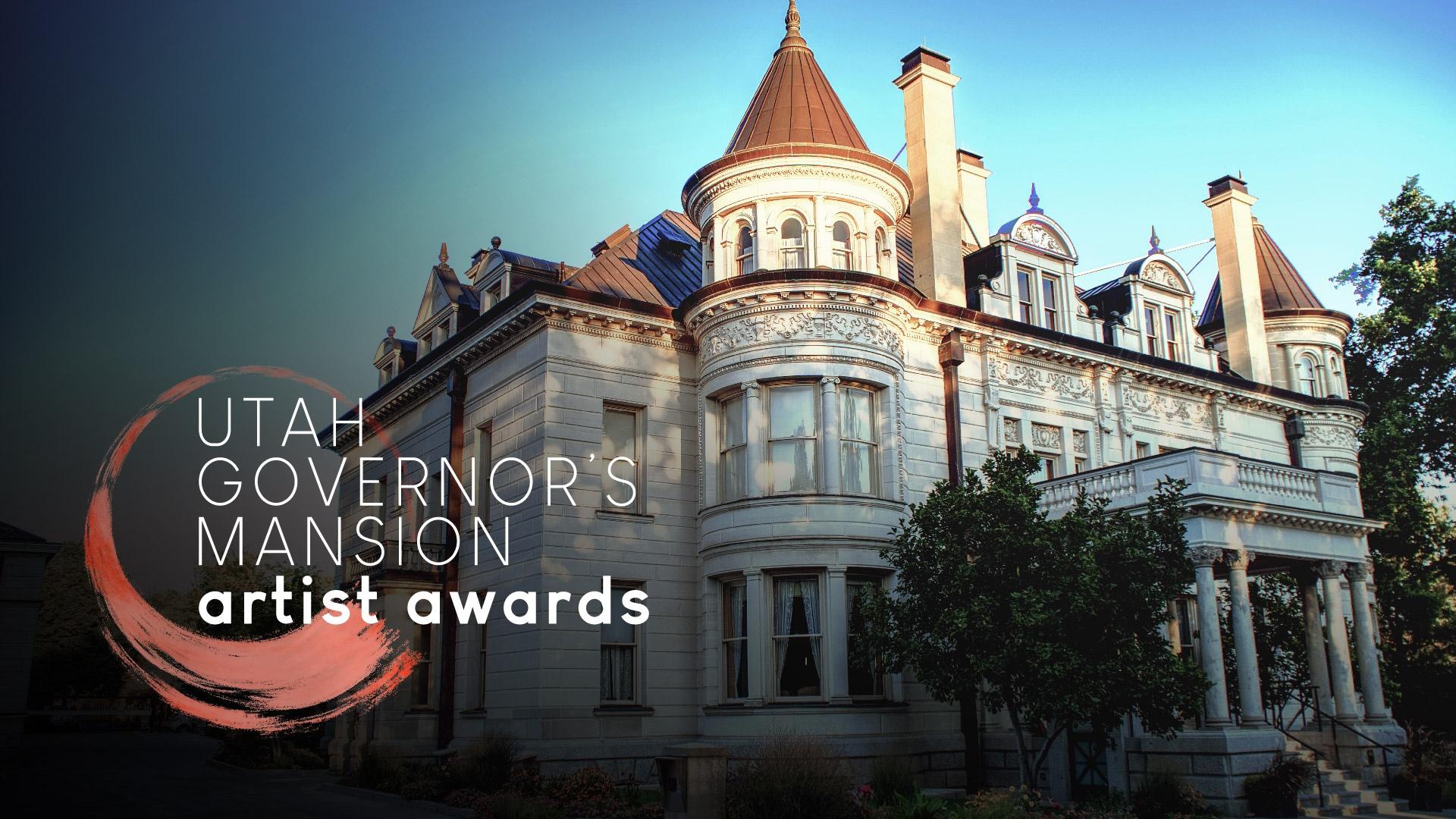
Inside Our Autistic Minds | Episode 2Thursday at 7PM | Chris meets Anton, a teaching assistant and DJ with a love of Middlesbrough FC, and Ethan, a student and aspiring rapper from Essex.
WATCH CLIP (ETHAN'S FILM) > 
Endeavour on Masterpiece | TerminusThursday at 8PM | The team is called to investigate the violent killing of an Oxford college don.
WATCH NOW WITH PASSPORT > 
Great Performances | Now Hear This: VirtuososFriday at 8PM | Explore the work of two legendary virtuosos, Niccolò Paganini and Robert Johnson.
WATCH PREVIEW > 
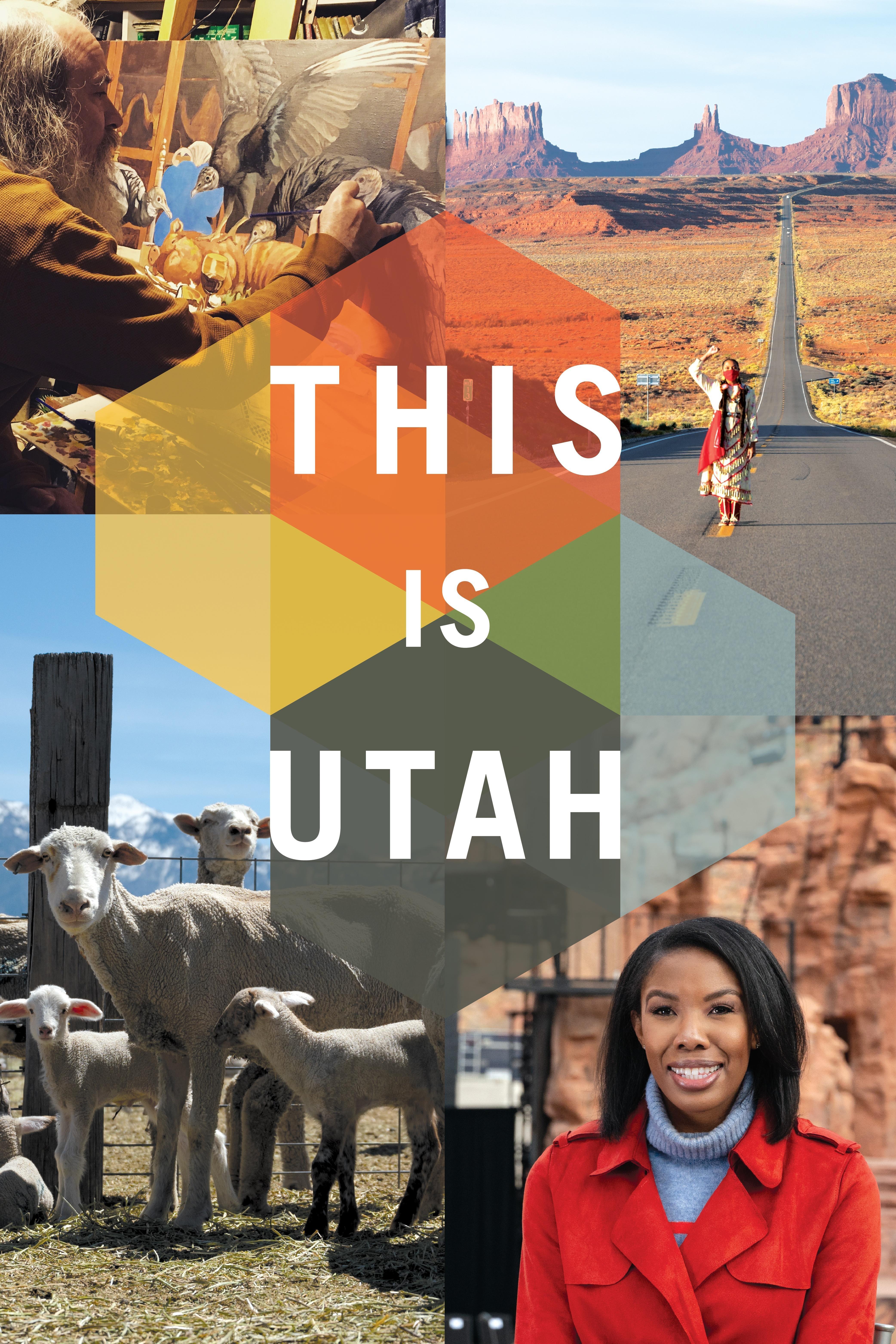
This is Utah | Season 5 Premieres May 2!Celebrate the environments that make Utah a distinctive and delightful place to explore.
WATCH PREVIEW > 
Wednesday at 9PM | Experience the colossal geologic forces that shaped our continent over 3 billion years.
WATCH NOW >Livestream on May 1 at 8PM | Celebrate live as two Utah artists are awarded the Governor’s Mansion Artist Awards.
WATCH PREVIEW >Thursday at 7PM | Chris meets Anton, a teaching assistant and DJ with a love of Middlesbrough FC, and Ethan, a student and aspiring rapper from Essex.
WATCH CLIP (ETHAN'S FILM) >Thursday at 8PM | The team is called to investigate the violent killing of an Oxford college don.
WATCH NOW WITH PASSPORT >Friday at 8PM | Explore the work of two legendary virtuosos, Niccolò Paganini and Robert Johnson.
WATCH PREVIEW >Celebrate the environments that make Utah a distinctive and delightful place to explore.
WATCH PREVIEW >



STREAM PBS UTAH SHOWS & SERIES



.png)









Support your local PBS station in our mission to inspire, enrich, and educate.
Donate