Livestream on May 1 at 8PM | Celebrate live as two Utah artists are awarded the Governor’s Mansion Artist Awards.
WATCH PREVIEW >ShowcaseUtah Governor's Artist Mansion Awards 2024 
This is Utah | Sanctuary (S5E1)Season Premieres May 2 at 7PM | Discover a connection between people, animals, and sanctuary in three compelling stories.
WATCH PREVIEW > 
Endeavour on Masterpiece | PreludeThursday at 8PM | A murder in a college garden leads Endeavour to investigate a celebrated Oxford orchestra.
WATCH NOW WITH PASSPORT > 
Great Performances | Now Hear This: Old FriendsFriday at 8PM | Explore how virtuosos become maestros, featuring Yo-Yo Ma, Lynn Chang and more.
WATCH PREVIEW > 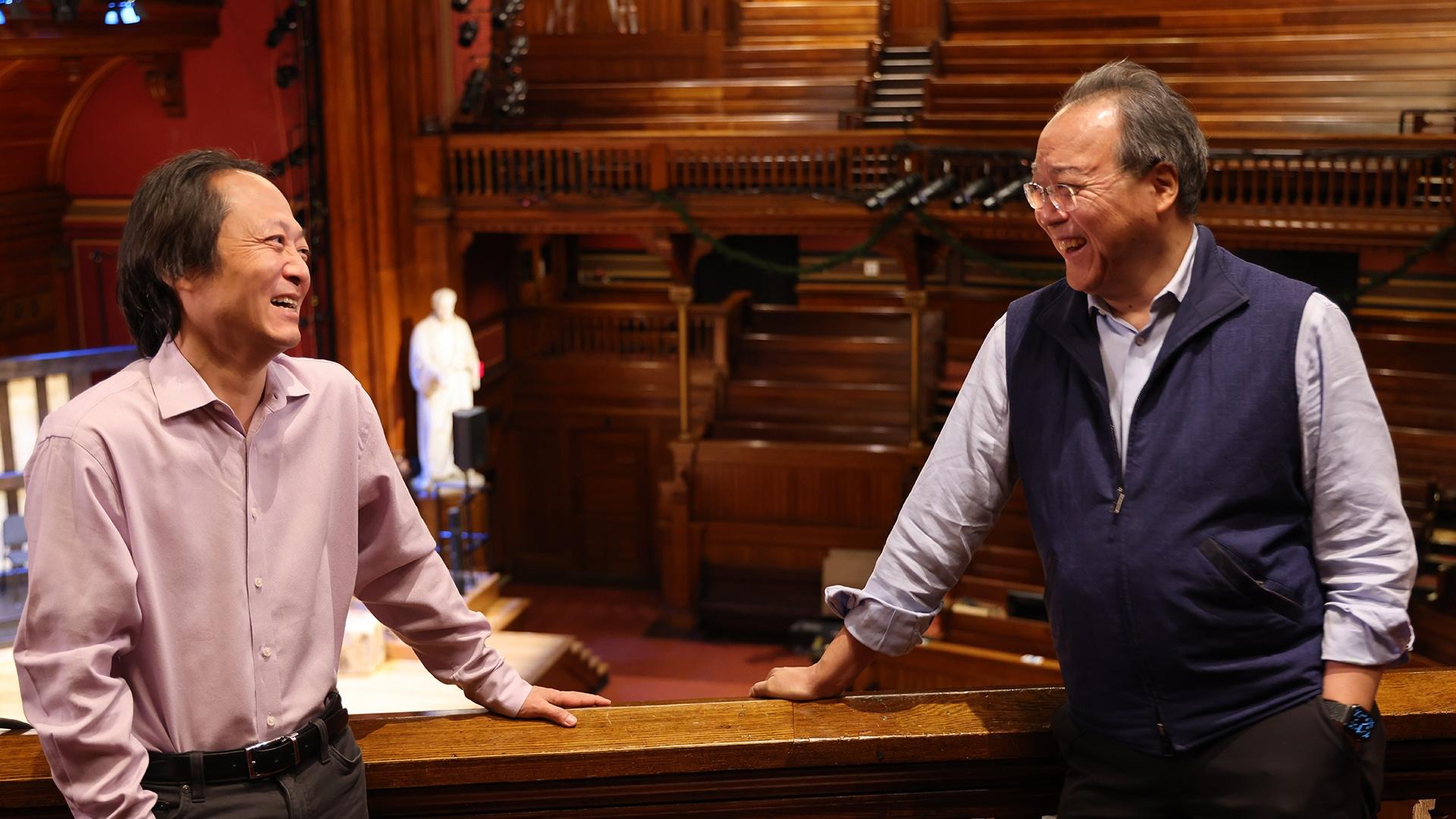
Call the Midwife | Episode 7Sunday at 7PM | Joyce receives an unexpected visitor and a teenage mother reveals a disturbing truth.
WATCH PREVIEW > 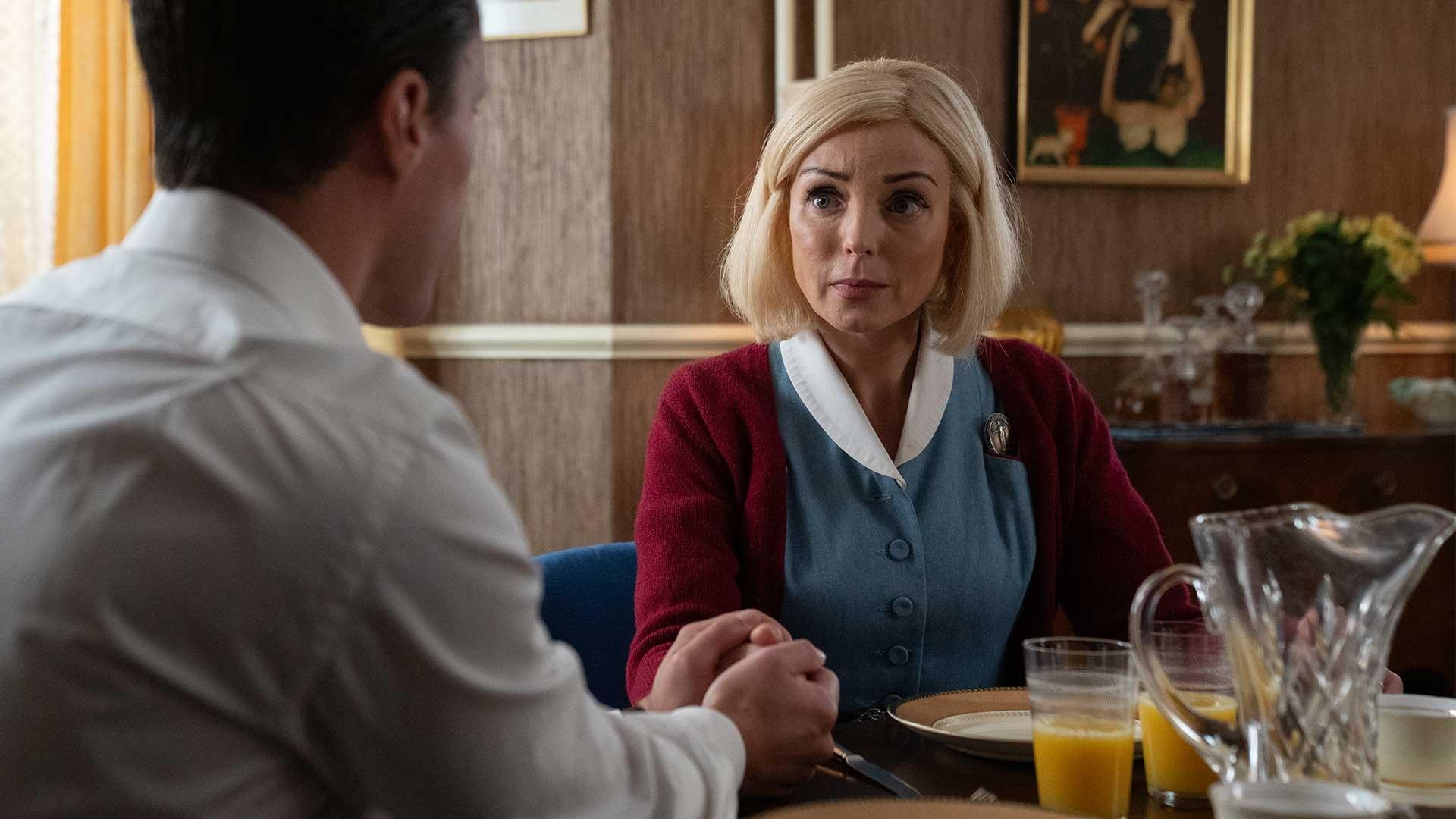
Mr. Bates vs the Post Office | Episode 4Sunday at 8PM | Alan and his friends finally get the chance to battle the Post Office in court.
WATCH PREVIEW > 
Guilt on Masterpiece | The Clothes on our Backs (S3E1)Final Season Premieres Sunday at 9PM | The brothers are back together but enemies cause them to seek ever more desperate solutions to their problems.
WATCH PREVIEW > 
Season Premieres May 2 at 7PM | Discover a connection between people, animals, and sanctuary in three compelling stories.
WATCH PREVIEW >Thursday at 8PM | A murder in a college garden leads Endeavour to investigate a celebrated Oxford orchestra.
WATCH NOW WITH PASSPORT >Friday at 8PM | Explore how virtuosos become maestros, featuring Yo-Yo Ma, Lynn Chang and more.
WATCH PREVIEW >Sunday at 7PM | Joyce receives an unexpected visitor and a teenage mother reveals a disturbing truth.
WATCH PREVIEW >Sunday at 8PM | Alan and his friends finally get the chance to battle the Post Office in court.
WATCH PREVIEW >Final Season Premieres Sunday at 9PM | The brothers are back together but enemies cause them to seek ever more desperate solutions to their problems.
WATCH PREVIEW >



STREAM PBS UTAH SHOWS & SERIES




.png)










Support your local PBS station in our mission to inspire, enrich, and educate.
Donate