KUED.org Home

The Frontier Photographers

Buy this now!
Length: 1 hour, 26 minutes, 46 seconds.
Released: March 1st, 1999
Available in: DVD

They dove head-long into an unknown world of myth and legend. They were on the cutting edge of a nation freed from war, a country desperately seeking its future. They went where few had dared venture before. And when they returned, they changed forever the way the nation viewed itself.

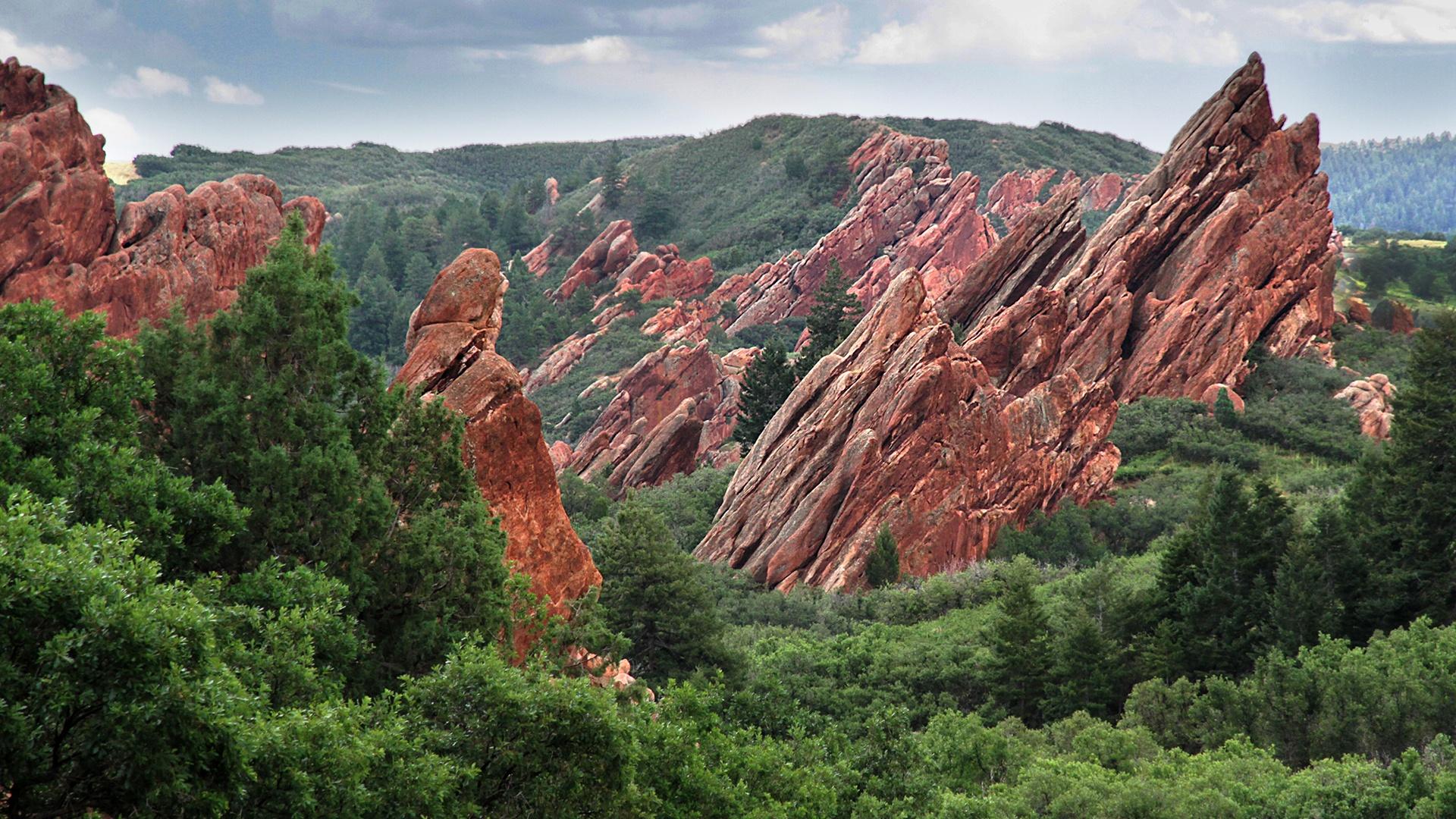
Join KUED for a groundbreaking look at the men who first photographed the American West. Travel back in time more than a century, and break trail into uncharted landscapes to meet three of the men who captured images of a land considered a mystery by most Americans: William Henry Jackson, Jack Hillers, and Timothy O'Sullivan. Join them as they explore Yellowstone. Climb with them as they capture the towering peaks of the Teton and Rocky Mountains. Watch the early boats clatter down the Colorado River as it carves a timeless path through the Grand Canyon. And see the West undergo dramatic changes as photographers document the transformation of the landscape...and the transformation of the Native Americans who were deemed roadblocks to progress.

It was the television of its day. A delicate process of capturing images in the roughest of landscapes. The Frontier Photographers, a 90-minute documentary, was written, directed, and produced by Ken Verdoia, co-produced and edited by Nancy Green. Amherst College professor Martha Sandweiss served as consulting historian.

"The program looks at a pivotal 25-year period in which the West was transformed from a raw, unknown landscape into a cauldron of development and change, says Verdoia. The Frontier Photographers literally rediscovers that unknown landscape through the views of these photographers, and audiences see our nation untamed and undeveloped, as it once was.

The documentary profiles photographers William Henry Jackson, Timothy O'Sullivan, and Jack Hillers, who had little in common except their love of photography. Each brought a different style and experience to the locations in which they worked. These photographers crisscrossed the region and chronicled the coming of settlement mining booms, growth in cities, changes affecting natural landmarks, the coming of the railroads, and the Native American cultures that were pushed out of the way by the white settlers.

When early photographers first came to the West, they were able to tell a visual story of Native American tribes and cultures in their independent, free-ranging days. Several tribes had not been committed to reservations yet, enabling photographers to document the Native Americans living their traditional ways of life. "But there also emerged a sense that the photographers had to document the Native Americans because they would be wiped out. There was very little mourning on the part of the government that Native Americans would be swallowed up by Western settlement, but there was a sense that, as 'good people,' white men should document Native Americans before they disappear, Verdoia says. The surviving photographs are a powerful legacy today, as Americans seek to understand what truly happened to the Native Americans in the late nineteenth century.

Beyond the stories of individual photographers, The Frontier Photographers is a chronicle of the American West the discovery, exploration, and ultimate taming of the region. Told through the eyes of photographers, it is about who we are in the West, and how our lifestyles and culture have evolved from the raw, unchartered landscape.

"Yellowstone National Park, the Grand Tetons, and the Colorado River are places we take for granted in the 1990s because we can drive our cars to a tourist spot, pull out our pocket camera, and snap off a dozen pictures, says Verdoia. "But these photographers carried hundreds of pounds of equipment, worked with a very delicate glass plate process that could be fouled by wind, rain, or heat, and they managed to secure the first images of these places. They preserved for each of us this sense of what the landscape was like before it was tamed through the westward expansion. Their photographs leave us a legacy of love of the landscape that is central to the Western experience.

Major funding for The Frontier Photographers is provided by: the Corporation for Public Broadcasting through the Pacific Mountain Network Program Fund, the George S. and Dolores Doré Eccles Foundation, the Dr. Ezekiel R. and Edna Wattis Dumke Foundation, with additional support from the Utah Humanities Council and the C. Comstock Clayton Foundation.

"The Frontier Photographers" sponsors:

Search our guide

Find by category:

Available in:

Like Us On Facebook!

KUED on Facebook


KUED Kids Page

Our Underwriters

Dolores Doré Eccles Broadcast Center (EBC), The University of Utah, 101 S. Wasatch Dr., Salt Lake City, UT 84112, 801-581-7777
Array
(
    [area] => productions
    [action] => details
    [id] => 15
)

Array
(
)
merlin_timestamp: 1369373978 | merlin_now: 1369353244 | merlin_update: 1369374844 | test: |